


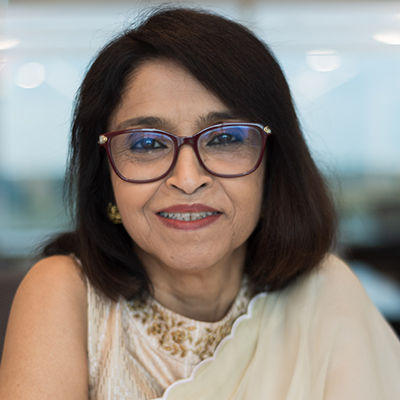
What truly makes an organisation work better for women isn’t just policy – it’s culture. | Achal Khanna | CEO | SHRM, Asia Pacific & MENA Region
If you had asked this question ten years ago, the answer would have been simple: progress was slow, and support often felt symbolic. Today, the answer is more layered.
Yes, workplaces are changing. But the real question is how deeply that change runs.
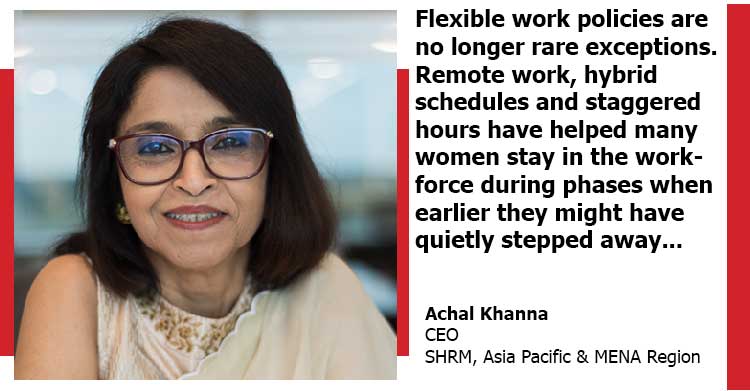
I’ve seen genuine effort from many organisations. Flexible work policies are no longer rare exceptions. Remote work, hybrid schedules and staggered hours have helped many women stay in the workforce during phases when earlier they might have quietly stepped away.
Health benefits now often include family coverage. Conversations around mental wellbeing are less taboo. These are not small wins — they have helped retain talent that might otherwise have been lost.
In some corporates, mentorship programmes for women are stronger than ever. Leadership pipelines are being tracked more consciously. There’s greater awareness that diversity is not just about representation, but about participation in decision-making.
But alongside this progress, there are still everyday realities that women navigate silently. Policies may exist, yet subtle biases continue. Women returning from maternity leave are sometimes assumed to be less ambitious. In meetings, voices are occasionally overlooked.
Senior leadership tables, in many sectors, remain predominantly male. These aren’t headline-grabbing issues — they are quiet patterns that shape careers over time.
It’s when flexibility is normal for everyone, not just for mothers. It’s when managers evaluate performance based on results, not visibility. It’s when men openly use parental leave and wellbeing benefits without stigma. That’s when support stops feeling like a special accommodation and starts feeling like shared responsibility.
Another encouraging shift is transparency. More organisations are examining pay gaps, promotion rates and retention data honestly. When leaders look at numbers rather than assumptions, meaningful change begins.
So, are organisations working better for women? In many ways, yes. The intent is stronger. The systems are improving.
But inclusion isn’t a one-time achievement. It’s a continuous effort.
The workplaces that truly support women are the ones that listen — not just on Women’s Day, but throughout the year. They understand that careers are rarely linear, and life stages shouldn’t derail potential.
When that mindset takes root, everyone benefits — not just women.