


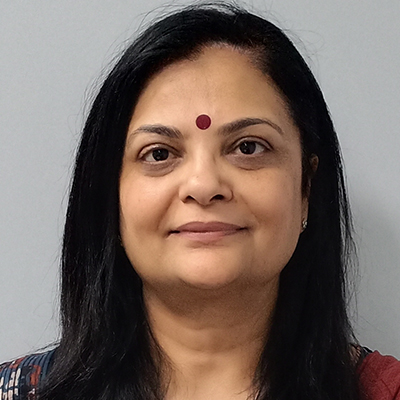
we follow a structured compensation framework that ensures role-based pay parity, independent of gender. | Anushka Sharma | Head- HR & Admin Head | WIKA India
 “Global reports often highlight a persistent gender pay gap. Do you believe women continue to be paid less than men, and what is your perspective on this issue?”
There is sufficient global evidence to suggest that the gender pay gap still exists, though its extent varies by region, industry and role. However, it is important to recognise that the gap is often influenced not just by unequal pay for equal work, but by unequal access to opportunities, career breaks due to caregiving responsibilities, and low female representation in senior leadership roles.
At WIKA, we follow a structured compensation framework that ensures role-based pay parity, independent of gender. Regular internal audits and market benchmarking help us stay aligned to fair pay practices. True equality goes beyond salaries, it requires equal opportunities, transparent career pathways and unbiased talent development.
“Do you believe organisations today are genuinely becoming better workplaces for women? Please share your view, along with examples from the industry or your organisation.”
Yes, many organisations are genuinely improving the workplace experience for women, although there is still progress to be made. Over the past few years, we’ve seen a shift from performative to purposeful inclusion, especially in areas like flexible work, leadership development and safe workplace practices.
At WIKA, we have strengthened our commitment to creating a supportive environment for women through:
• Structured leadership development programs to increase female representation in critical roles
• Mentoring and career pathing initiatives that encourage long-term career growth
• Policies supporting work–life integration, including flexible work options
• Consistent prevention of sexual harassment (POSH) training and a zero-tolerance approach to misconduct
Across industries, organisations are setting strong benchmarks by implementing gender-neutral hiring, returnship programs for women after career breaks and transparent leadership pipelines.
The direction is encouraging organisations are becoming more intentional, data-driven and accountable when it comes to gender inclusion.
“Why is it important for women to continue participating in the workforce?”
Women must continue to work because their participation is vital not only for their personal growth, but for the economy, society and the future workforce.
• Economic empowerment brings freedom, security and decision-making authority in both personal and professional spheres.
• Organisations with gender-diverse teams consistently outperform on innovation, customer understanding, and financial metrics.
• Children and communities benefit when they see women leading, succeeding and redefining norms.
• The talent landscape demands it; India and the world cannot achieve their economic potential without fully utilising women’s skills and leadership.
When women work, economies grow, families thrive, and organisations evolve. It’s no longer a social argument; it’s a strategic one.