


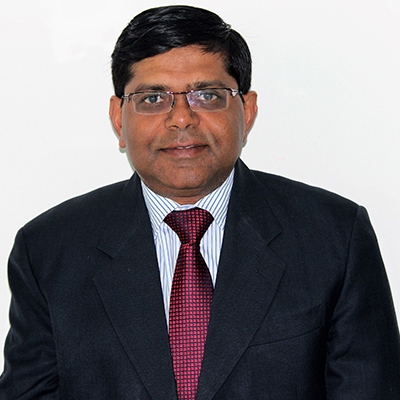
Is India Closing the Gender Pay Gap? | Aditya Narayan Mishra | MD and CEO | CIEL HR
 The question today is no longer whether a gender pay gap exists. It does. The more relevant and constructive question is: Is India closing it?
Recent workforce sentiment insights by CIEL HR indicate that nearly 40% of professionals believe pay is mostly equal between men and women in their organisations. That perception itself is significant. Pay transparency, structured salary bands and data-led compensation decisions are slowly reshaping how employees view fairness at work.
At a macro level too, India stands out for having one of the smaller median pay gaps globally, with men’s and women’s salaries appearing nearly equal in several sectors. However, the headline numbers tell only part of the story.
The Uneven Reality Beneath the Averages
While median salaries may appear close, the gap remains visible when we analyse specific occupations, experience levels, and career trajectories. Despite the push for “equal pay for equal work,” women continue to earn less than men across most occupations, from entry-level roles to the C-suite. The gap tends to widen with seniority.
The gender pay gap remains more pronounced in technology and product roles than in sales and revenue-facing functions. In some sales environments, improvements have been observed, partly because performance-linked incentives make compensation more directly measurable and outcome – driven.
One of the most significant contributors to the pay gap is the difference in cumulative work experience. In tens of thousands of career trajectories, we observe that women tend to accumulate less uninterrupted work experience than men who begin in similar roles. This is not a reflection of competence or ambition; it is often the result of structural and social realities Career breaks, whether for maternity, caregiving or other family responsibilities, have compounding effects. Even temporary shifts to part-time work can influence skill currency, visibility in succession planning discussions and access to high-impact assignments. Promotions and pay increments, which often rely on sustained continuity and perceived readiness, can get deferred. Over time, the financial implications compound.
The Leadership Representation Factor
For years, organisations have reported encouraging numbers at entry levels. Women hold nearly half of all entry-level positions in many sectors. However, as careers advance, the numbers taper sharply. The higher up the ladder one looks, the fewer women one sees.
This phenomenon is not unique to India; it is visible globally. But the implications in a fast-growing economy like ours are profound. When women are underrepresented in decision-making roles, organisations lose diversity of thought and compensation benchmarks at senior levels continue to be shaped by historically male-dominated leadership.
To truly close the gender pay gap, India must close the leadership gap. Encouragingly, more organisations are consciously diversifying succession pipelines. Companies are being open to appointing and promoting women to leadership roles. They are investing in training and developing women in their workforce to help them climb the leadership ladder.
The Cultural Context
It would be incomplete to discuss the gender pay gap without acknowledging deeply ingrained societal norms. Patriarchal attitudes, sometimes subtle, sometimes explicit, continue to shape educational choices, career mobility and perceptions of leadership suitability.
In rural and semi-urban India, especially, women’s freedom to pursue higher education, relocate for work, or take up demanding roles may be constrained by social expectations. Even in urban corporate India, women shoulder a disproportionate share of unpaid care work, childcare, eldercare and household responsibilities.
This invisible labour directly affects professional choices. It may limit the ability to travel, accept stretch assignments or commit to longer hours, factors that organisations often associate, rightly or wrongly, with leadership readiness. When caregiving responsibilities are unequally distributed, pay inequity becomes a predictable outcome.
Unless caregiving responsibilities become more gender-neutral and workplaces normalise flexibility for all employees, the pay gap will narrow slowly.
What Will Accelerate the Progress?
First, transparent pay structures must become standard practice. Clear salary bands, objective appraisal metrics and periodic pay equity audits reduce discretion-driven disparities.
Second, merit-based promotions must be consciously implemented. High-potential women should be systematically included in leadership development pipelines and succession planning conversations.
Third, work-life integration policies must be career-enabling. Flexible work hours, hybrid work models, and structured return-to-work programs must be designed in ways that do not inadvertently penalise career progression. Flexibility should not translate into slower growth tracks. It must be integrated into mainstream career paths.
Fourth, return-to-work and maternity support programs need to be structured and robust. Skill refresh initiatives, mentorship support and structured reintegration pathways can significantly reduce the long-term financial impact of career breaks.
Finally, cultural change around caregiving is critical. When paternity leave, shared parental responsibility, and flexible work for men become normalised, career interruptions will no longer disproportionately affect women.
So, Is India Closing the Gap?
India’s relatively narrow median pay gap compared to many global peers is encouraging. It signals that structured compensation frameworks and increasing corporate maturity are making a difference. But averages should not make us complacent.
The true measure of progress lies not only in salary parity at similar roles but in equal access to high-growth domains, leadership positions and uninterrupted career progression.
Closing the gender pay gap requires closing experience gaps, leadership gaps and cultural gaps. India has momentum on its side. The real opportunity now is to convert incremental progress into irreversible change.