


An Interview with Brillian S K | Chief People Officer & Head Places and Processes | TimesPro
In an exclusive interview with The People Management magazine, Dr. Brillian S K, SVP & Head – Human Resources at TimesPro (a division of Bennett, Coleman & Co. Ltd.), offered insightful perspectives on addressing the needs of a multigenerational workforce and effective practices to bridge generational gaps at work.
1. How is TimesPro addressing the needs of a multigenerational workforce
TimesPro is a leading Higher Ed-tech platform focused on executive education and professional upskilling, is uniquely positioned to address the needs of a multigenerational workforce. We offer flexible, diverse, and targeted learning solutions across B2c. B2B, B2I and B2G.
Diverse formats: catering to different learning preferences.
o We offer online, on-demand, and mobile-friendly courses with interactive elements.
o We also offer structured traditional formats, they provide programs with mentorship, live instructor-led virtual sessions, institute immersion and blended learning models that combine online and offline learning.
o Early-Career professionals (Gen Z/Millennials): we provide foundational courses, skill based certifications, and job-ready skill programs (e.g., in digital marketing, data analytics).
o Mid-Career professionals (Gen X/Millennials): Leadership development, advanced management programs, and strategic upskilling courses preparing them to step into senior roles.
o Late-Career professionals (Baby Boomers/Gen X): Courses focused on mentorship training, and navigating digital transformation to stay relevant.
While these are categorised for ease of reference, any learner, any age, any stage may take these offerings subject to eligibility requirements being met.
Bridging the skill gap: We help people upskill in new-age technologies and digital tools, while also helping develop crucial “soft skills” like formal communication, business etiquette, and corporate leadership
Promoting a culture of continuous learning: By making high-quality education from top ranking institutions accessible, TimesPro instils a “learn-for-life” mindset, which is a value that resonates across all generations, even if their motivations differ.
2. Advantages and Disadvantages of a Multigenerational Workforce
A multigeneration workforce offers multiple advantages.
A blend of experience and fresh ideas leads to more creative problem-solving. A Boomer’s industry experience combined with a Gen Z’s digital fluency can spark unique ideas that can change / transform lives.
Senior employees get opportunities to mentor new ones, passing down institutional knowledge and practical experience. This is invaluable for business continuity. Juniors can get to reverse mentor seniors on digital
agility, transformation etc.
Gen X and Boomers often provide stability and long-term strategic vision, while Millennials and Gen Z bring agility, adaptability, and a willingness to experiment.
A multigenerational team can better understand and connect with a diverse customer base that is also multigenerational.
The workforce naturally possesses a wider range of skills, from traditional management techniques to the latest social media trends.
While we deal with this there are certain disadvantages:
Different communication modes / preferences could cause friction (e.g., formal emails vs. instant messaging on Slack/Teams). Misunderstandings are common.
Differing values and motivations:
o Boomers/Gen X may value loyalty, hierarchy, and putting in “face time.”
o Millennials/Gen Z may value flexibility, purpose, work-life integration, and rapid feedback.
Older workers may be resistant to new technologies or new ways of working, while some younger workers may be overly dismissive of established protocols.
Generational stereotypes (“Boomers are out of touch,” “Millennials are entitled”) can lead to conflict, mistrust, and a lack of cohesion within teams.
3. Best practices to bridge the generational gap in the workplace
1. Inclusive communication: We need to move beyond the obvious and provide training on different communication styles. Leverage multiple channels for communication (email, IM, face-to-face meetings) to ensure everyone is engaged effectively. Most important establish clear norms for meetings and feedback.
2. Reverse mentoring: Pair younger employees with senior executives to help their skills on technology, social media, and current trends. This flips the traditional model and promotes mutual respect.
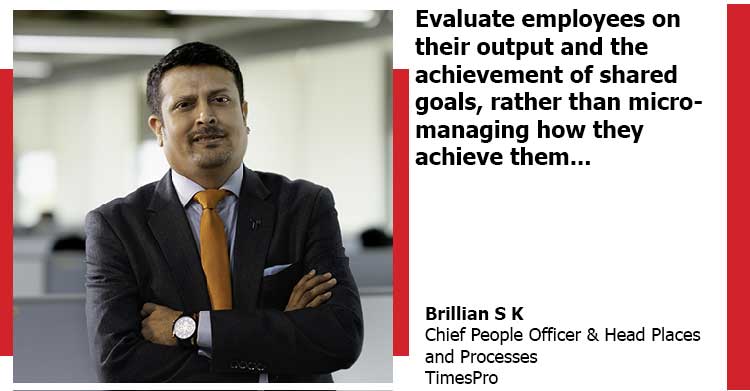
3. Outcome first approach: Evaluate employees on their output and the achievement of shared goals, rather than micromanaging how they achieve them. This allows for different working styles to thrive.
4. Cross-Generational Teams: Deliberately mix generations on projects. This forces collaboration, breaks down stereotypes, and allows team members to learn from each other’s strengths.
5. Promote a Culture of Continuous Learning: Encourage all employees, regardless of age, to be learners. This creates a common ground and a shared value.
4. Which generation is the most arrogant and difficult to handle? And advice for them.
It is always people and not generations who are at fault. It is an easy trap to label an entire generation as “arrogant.” Each generation will have traits that can be perceived as difficult by others, often stemming from a mismatch of values and communication styles. However, we need to address the stereotype that is most
frequently cited in this context, it would often be Millennials and the emerging perception of Gen Z.
Millennials often called “entitled” for seeking purpose, rapid advancement, and constant validation, things that previous generations had to wait for. Their comfort with challenging the status quo can be misread as arrogance.
Gen Z are truly digital natives who are fiercely independent, value authenticity, and are not afraid to question authority or leave a job that doesn’t align with their values. This self-assuredness can be perceived as arrogance by more traditional generations.
Arrogance is purely an individual trait, not generational. There are humble and arrogant people in every age group. Labelling a whole generation is counterproductive to building an inclusive workplace. While there may be some traits which a “generation” may display, we should avoid stereotyping them.
My advice for any employee who may come across as arrogant:
1. Practice active listening. Before asserting your own opinion, make a conscious effort to truly understand others. Listen to learn, not just to reply. You will be surprised by the wisdom and context that other colleagues hold.
2. Respect institutional knowledge. That “old way of doing things” you’re eager to disrupt likely exists for a reason. Understand the history and context before proposing to tear it down. Frame your new ideas as building upon, rather than invalidating, past work.
3. Add value. It’s easy to point out problems. The real skill is offering constructive solutions. When you identify a flaw, come prepared with a well-thought-out alternative.
4. Be open to feedback. If multiple people are suggesting you come across as arrogant, there might be a kernel of truth in it. Don’t get defensive. Seek out a trusted mentor and ask for honest feedback on your communication and collaboration style.
5. Demonstrate competence through humility. The most respected people in any organization are those who are highly competent but remain humble. Let your work ethic and results speak for themselves. You can be confident in
your abilities without belittling the contributions of others.
The key to harnessing the power of a multigenerational workforce is to move beyond stereotypes and focus on creating an environment of mutual respect, continuous learning, and psychological safety where every individual can thrive.