


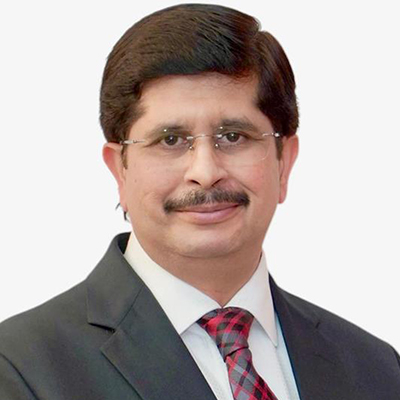
Gen Z Talent: Beyond Compensation, What Really Drives Engagement and Retention? | Shourya K Chakravarty | CHRO | Aptech Limited
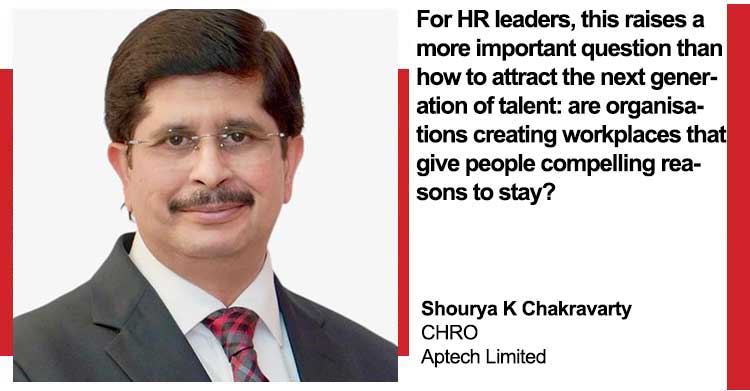
A salary offer may bring talent into an organisation, but the experiences that follow often shape whether the talent/ resource chooses to build their careers in that organisation. A young professional who sees no opportunity to learn, struggles to have their ideas heard or cannot understand how their work contributes to the bigger picture may eventually begin looking elsewhere, even when the compensation is competitive. For HR leaders, this raises a more important question than how to attract the next generation of talent: are organisations creating workplaces that give people compelling reasons to stay?
As Gen Z becomes a more significant part of the workforce, this question deserves closer attention. Young professionals are navigating a workplace shaped by artificial intelligence, rapidly changing skill requirements and evolving career paths. Their expectations are not fundamentally different from the need for fair pay, stability and professional growth shared by other generations. What organisations must recognise, however, is that these expectations need to be addressed through the everyday employee experience, not just through policies, perks or annual engagement initiatives. From an HR leadership perspective, retaining talent begins with understanding what
helps people feel valued, capable and confident about their future.
Growth must be part of the everyday employee experience
One of the most important responsibilities of an organisation is to help its people remain relevant and prepared for what lies ahead. For young professionals, career growth is not necessarily limited to promotions or changes in designation. It can mean acquiring a new skill, taking ownership of a challenging assignment, working with a different team or gaining access to experienced mentors.
The importance of learning is reflected in Deloitte’s 2025 Global Gen Z and Millennial Survey, which found that 94% of Gen Z respondents in India considered on-the-job learning and practical experience helpful for career growth.
For HR leaders, the implication is clear: learning cannot remain separate from work. Organisations need to create opportunities for employees to apply their knowledge, experiment with new approaches and receive constructive feedback. Mentorship, structured development plans and regular career conversations can help employees understand their strengths and identify the capabilities they need to build.
Career journeys are not always linear. Some employees may aspire to leadership roles, while others may want to deepen their technical expertise or explore different functions. Providing room for these aspirations can help build a workforce that is both skilled and engaged.
Flexibility works best when it is built on trust
Workplace flexibility is often discussed in terms of location and working hours, but its real value lies in giving employees the autonomy to manage their responsibilities while delivering on expectations. From an HR perspective, this requires a shift from measuring commitment through visibility to evaluating performance through clearly defined outcomes. Employees need to understand what is expected of them, while managers need to provide the resources, guidance and space required to deliver.
This does not mean compromising on accountability. Collaboration, deadlines and business priorities remain essential. The opportunity is to create working arrangements that balance these needs with employees’ ability to manage their time and responsibilities effectively.
Trust also needs to operate in both directions. Employees should feel confident raising concerns or asking for support, while managers should be able to rely on their teams to communicate openly and take ownership of their work. When this balance is achieved, flexibility becomes more than a policy; it becomes part of the organisation’s culture.
Purpose connects individual contribution with business goals
Gen Z today also wants to understand the why behind their work. Employees are more likely to understand the value of their work when they can see how it contributes to a larger objective. Yet, in the pace of everyday business, this connection can sometimes get lost between deadlines, targets and routine responsibilities.
Leaders have a responsibility to bring that connection back into focus. Whether an employee is serving a customer, developing a product, managing an internal process or supporting a business function, their contribution plays a role in the organisation’s performance.
As HR leaders, we must encourage managers to communicate this connection and involve employees in conversations about how work can be improved. Giving people opportunities to share ideas and participate in problem-solving can strengthen their sense of ownership.
Purpose must also be reflected in action. If an organisation values collaboration, its systems should encourage teamwork. If it speaks about employee well-being, its workload expectations and management practices should support it. Employees experience organisational values through everyday decisions, not just through statements displayed on office walls.
Managers shape the culture employees experience
An organisation may have well-designed HR policies, but employees often experience its culture through their immediate managers. The way a manager communicates, responds to mistakes, acknowledges effort and handles disagreements can influence whether an employee feels supported or overlooked.
Recognition, therefore, needs to be a consistent management practice rather than an annual event. Acknowledging an employee’s initiative, offering specific feedback or recognising progress can help people understand that their contributions matter. Equally, honest conversations about performance should be constructive, fair and focused on improvement.
We also need to create workplaces where employees feel comfortable asking questions, expressing different opinions and learning from setbacks. Psychological safety does not mean lowering performance standards. It means enabling people to speak up, take responsible risks and address problems before they become larger challenges.
For HR leaders, strengthening this culture involves equipping managers with the skills to lead diverse teams, conduct meaningful conversations and respond to employees with empathy without losing sight of business priorities.
Retention begins with understanding people
There is no single formula for engaging Gen Z talent. While some employees may prioritise financial security, others may place greater emphasis on learning, flexibility, recognition or career progression. These priorities can also change as individuals gain experience and move through different stages of life.
This is why organisations must be careful not to replace one assumption with another. Understanding employees requires regular conversations, useful feedback mechanisms and a willingness to act on what we learn. Engagement surveys can help identify patterns, but their value depends on whether the findings lead to meaningful changes.
Compensation remains fundamental to the employee relationship. Fair pay, financial security and transparent reward practices are essential. However, they work best alongside opportunities to develop, supportive leadership, meaningful responsibilities and a culture in which employees feel respected.
As HR leaders, our responsibility is to bring these elements together into a coherent employee experience. Retention should not be measured only by how many people remain with an organisation, but also by whether they have the opportunity to grow, contribute and perform at their best.
Ultimately, building an engaged workforce begins with a simple leadership principle: people should be able to see both their value to the organisation and the value the organisation brings to their professional journey. When employees feel recognised for what they contribute and supported in what they aspire to become, the relationship moves beyond a transaction. It becomes a partnership built on trust, growth and shared progress.